14-16TH OCTOBER 2025
Introduction
Nakivale Refugee Settlement, in Isingiro District in Southwestern Uganda, is one of the country’s oldest and largest settlements. It hosts refugees primarily from the Democratic Republic of Congo and Burundi, along with communities from Rwanda, Somalia, Eritrea, Ethiopia, and other countries. UNHCR’s recent settlement dashboards (see Appendix) show that Nakivale consistently accommodates a very large refugee population, with numbers fluctuating due to new arrivals and periodic data verification exercises. The settlement spans a vast area and relies on a mix of water sources, including treatment plants, motorised and manual boreholes, shallow wells, and institutional rainwater-harvesting systems. WASH conditions in NakivaLe remain mixed.
Although piped-water systems and treatment infrastructure exist, limited production capacity, high operational costs, and periodic rationing mean that many households still depend on boreholes or point-of-use treatment methods such as Aquatabs for safe drinking water.
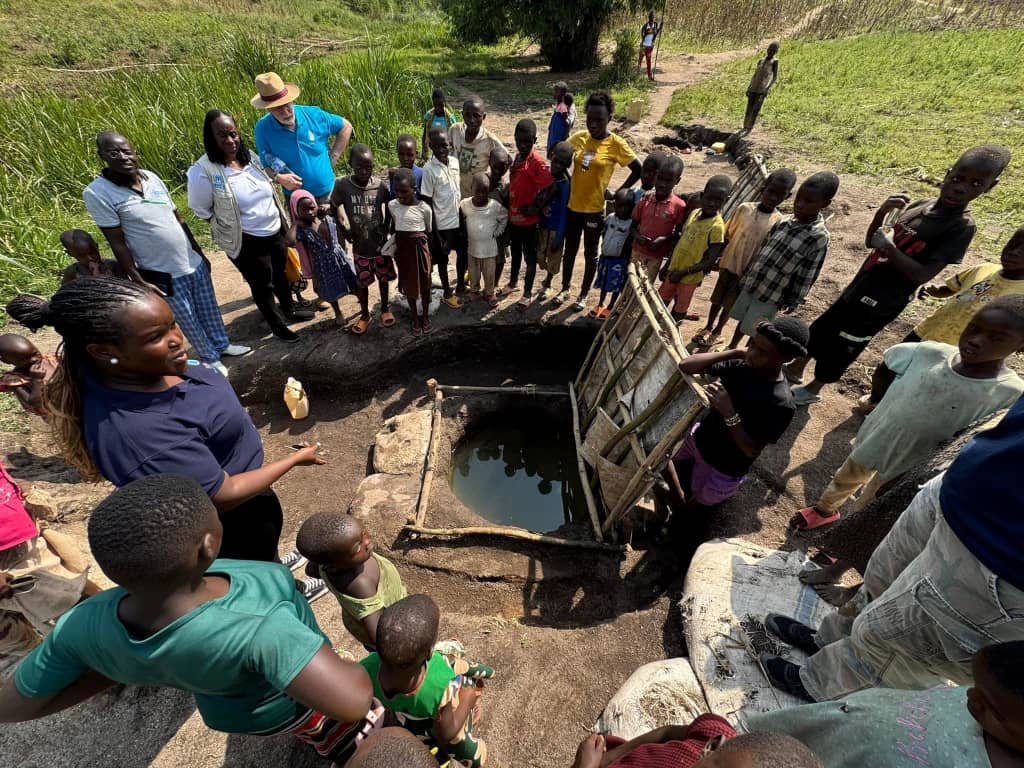
Average water availability reported in partner summaries is approximately 18 litres per person per day. Sanitation coverage has often fallen short of required standards, leaving communities vulnerable to water-borne illnesses. The combination of limited water quantity, intermittent supply and inadequate sanitation further heightens the risk of water-borne and excreta-related diseases.
To address these challenges, Lifewater, in partnership with Nsamizi TISD, UNHCR, and the Office of the Prime Minister (OPM), conducted a targeted water-filter distribution exercise in October 2025 to enhance household-level access to safe drinking water amongst new arrivals.
The Need
Nakivale’s WASH conditions remain critically deficient: average potable water supply is only around 18 litres per person per day, barely meeting – and often falling below – the minimum norms for [protracted refugee settings. Because of insufficient water supply. Frequent rationing, reliance on boreholes or untreated sources, and sub-optimal sanitation coverage, many residents are compelled to use unsafe water or inadequate sanitation facilities.
This combination of limited water quantity, intermittent supply, and a low level of sanitation facilities significantly increases the risk of water-borne diseases, undermining public health and dignity within the Settlement.
Project Overview
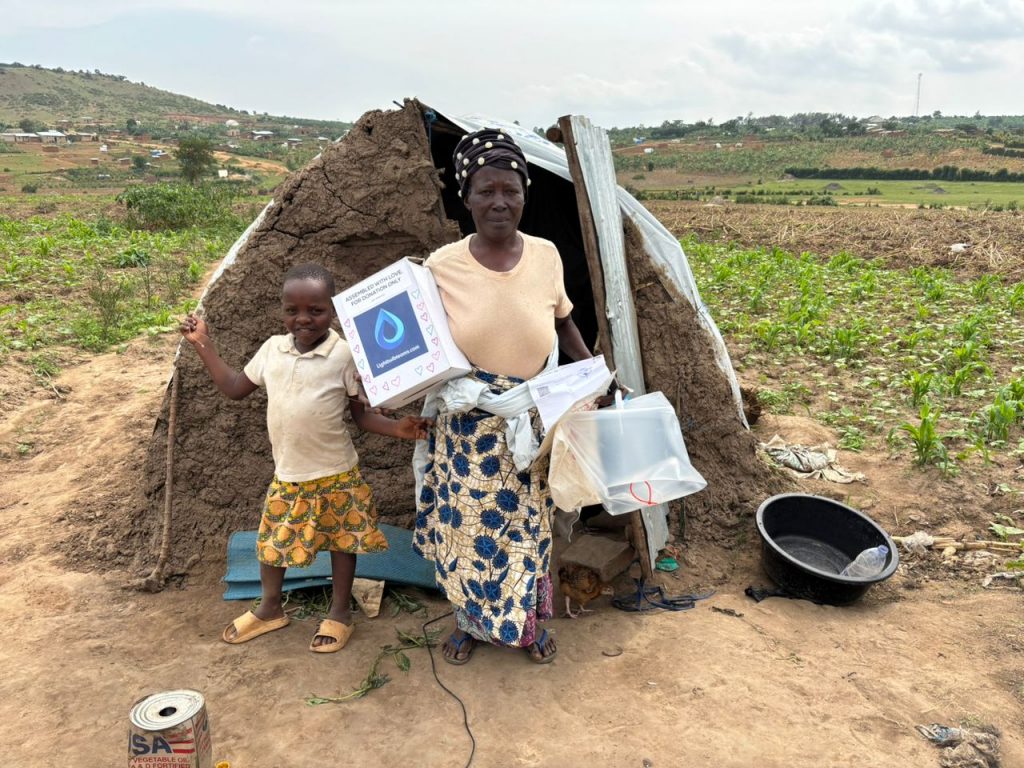
In response to these challenges, Lifewater distributed household and institutional water filters in high-risk zones of Nakivale Settlement. A total of 304 emergency Lifewater systems, funded by Water Works, were distributed to persons of concern on 14-16th October.
UNHCR and our WASH partner, Nsamizi, supported the mobilisation and verification of recipients.
The 304 emergency kits distributed benefitted 1.036 individuals in total. The distribution took place in the Base Camp Zone, where new arrivals continue to be settled. This intervention not only increases access to safe drinking water, but also reduces dependency on using firewood for boiling water.
A Story from the Settlement
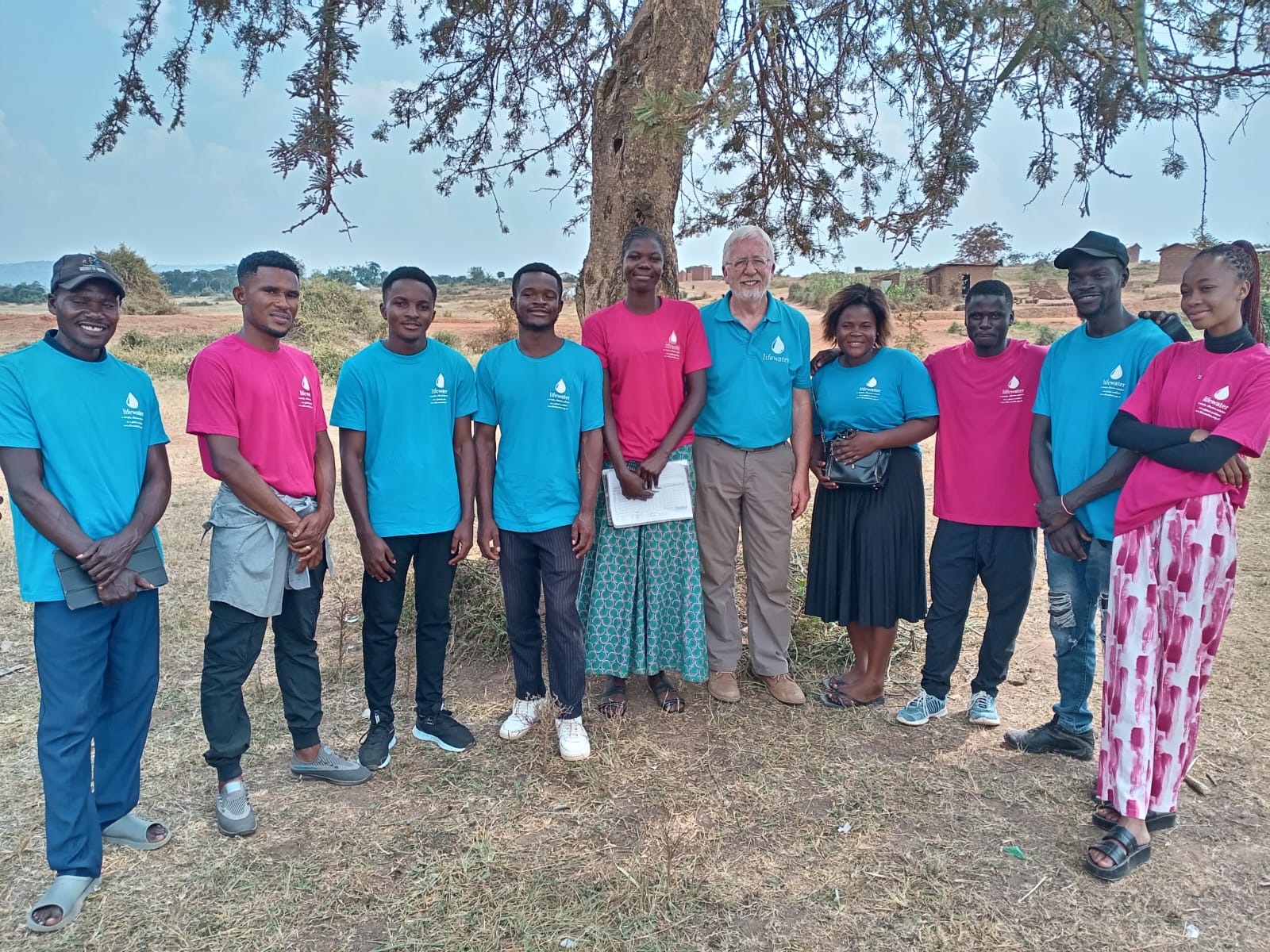
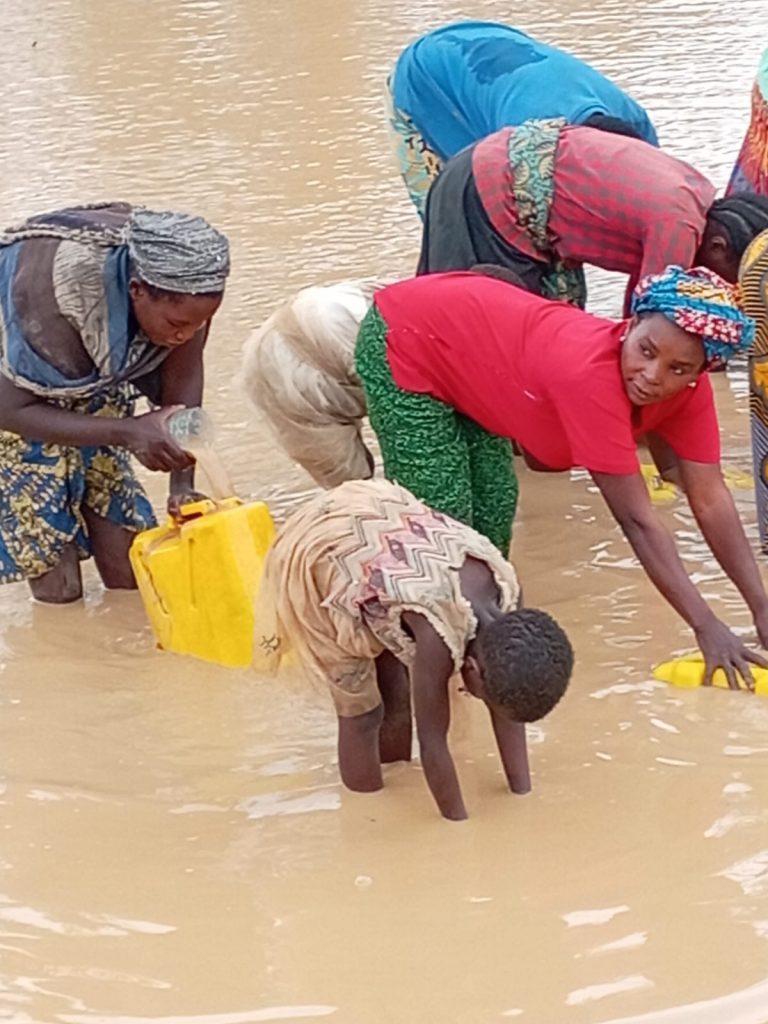
One week after the distribution our local Lifewater monitoring team visited all the Lifewater recipients. It was heart-warming to observe the refugee families using the systems. Even more delightful was witnessing those who had improvised by using buckets and jerrycans to replace the bags that had been damaged by rats.
A Grandmother’s resilience – Meet a wonderful grandmother whose spirit shines brightly, even in tough times. After receiving a Lifewater system, her joy was short-lived as rats damaged her collapsible water container, threatening the family’s access to clean and safe drinking water. Amazingly, her determination never wavered. With creativity she repurposed old jerrycans to make sure her grandchildren continued to have safe drinking water. During the visit by our local Lifewater monitoring team, the team advised her to keep the containers cxlean to avoid secondary contamination of the drinking water.